¶ HexOS Q2 2025
September 30, 2025
By Cole Manel
Q2 kicked off summer with a focus on user control and customization. This update delivered on promises we made back in March in our Q1 status update, giving users more flexibility in how they configure storage, manage notifications, and personalize their HexOS experience.
HexOS Q2 update overview
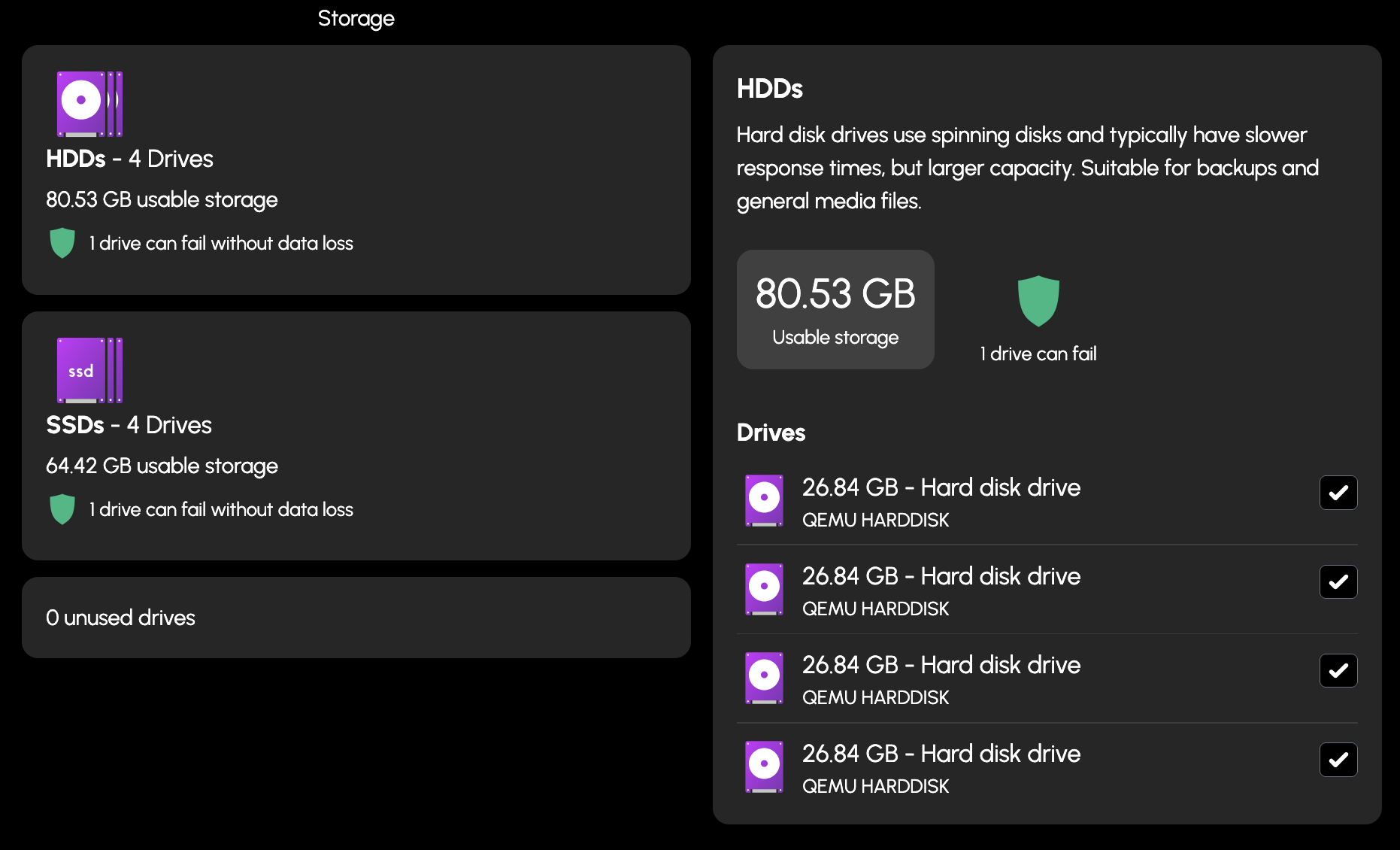
¶ Manual Pool Configuration
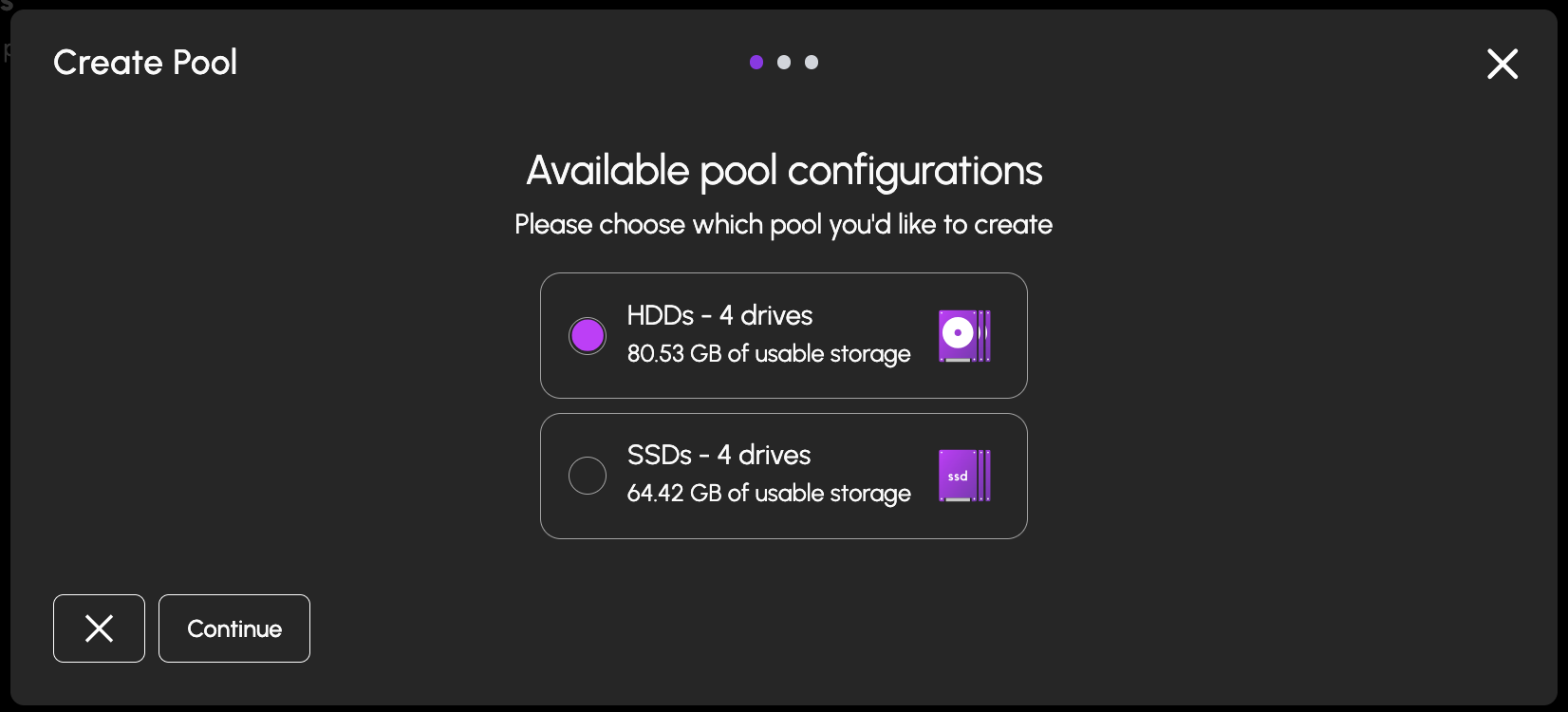
Users now have far more control over pool creation. During setup, you can use HexOS' recommended storage layout, adjust it to your needs, or skip it entirely and handle it later at your convenience. This process extends beyond the initial server setup and into your main storage page, so you can configure it at your convenience.
Manual pool configuration
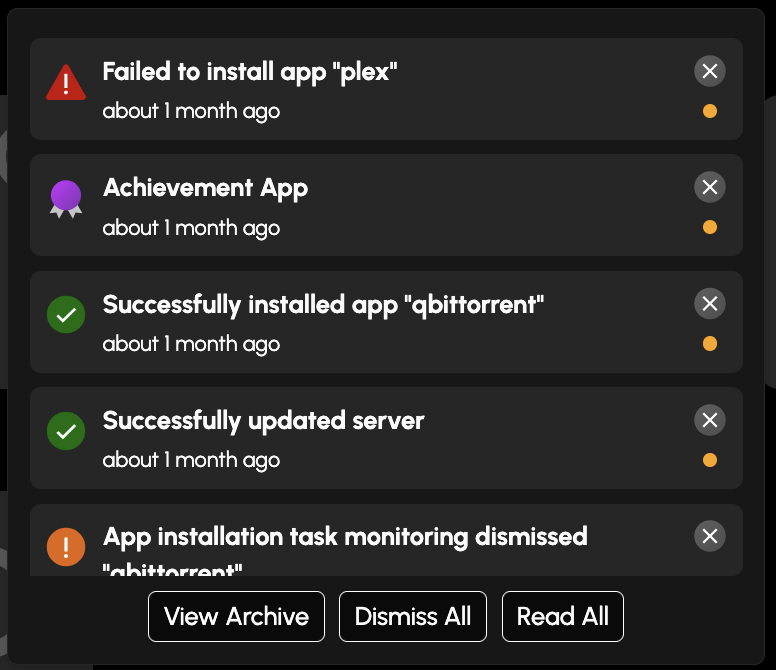
¶ Activity Center Replaces Health Card
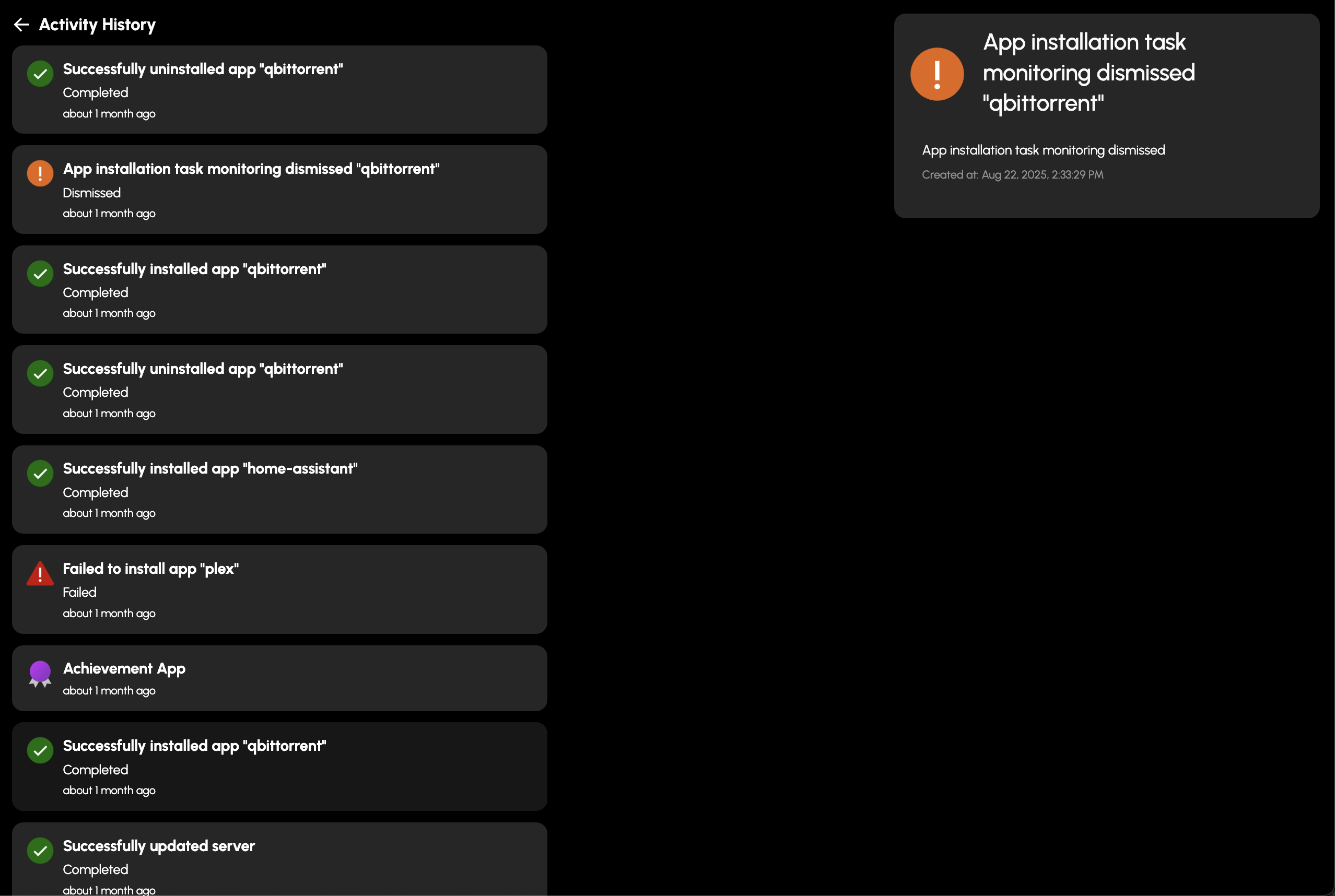
We completely overhauled notifications and activity tracking. The old Health card became the new Activity Center, which now displays all notifications: server alerts, updates, user actions, and active tasks that may be taking a bit of time.
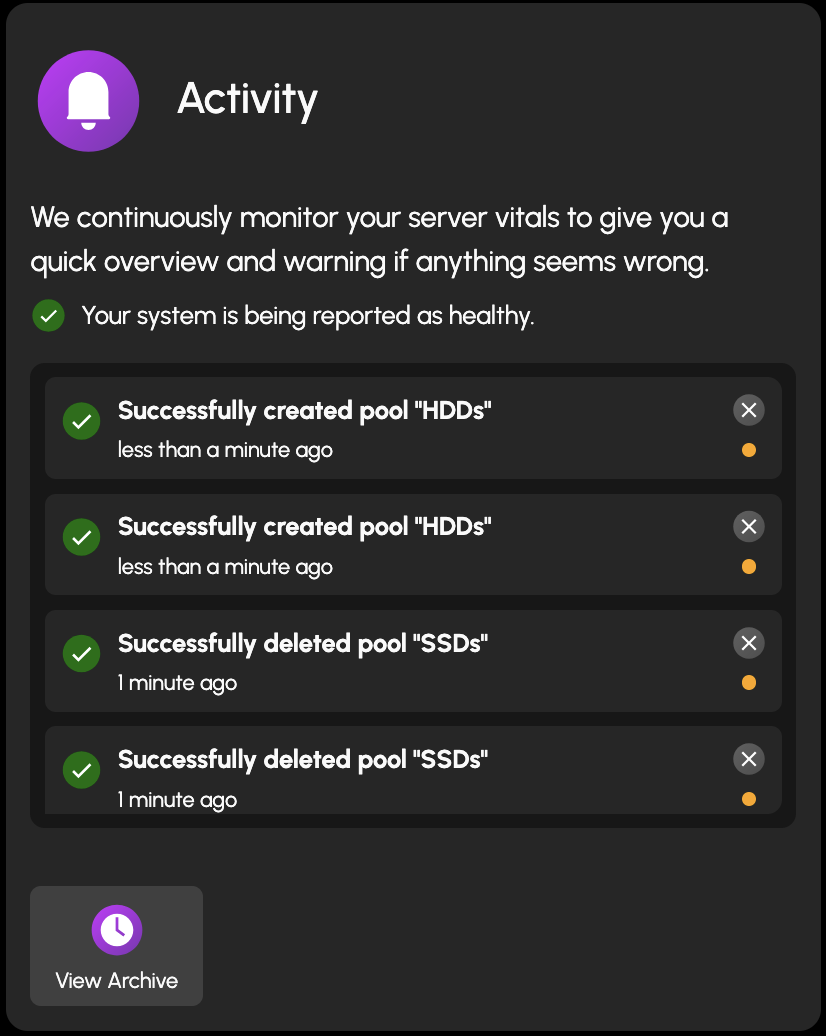
All activities are also available in the archive for a complete record of what's happening on your server.
Activity archive
¶ TrueNAS SCALE 24.10.2.2 Update
With notifications redesigned, and a new activity center, users now have the ability to update the OS on your local server itself. These types of updates will always propagate to the top so you don't miss them.
¶ Customizable Location Preferences
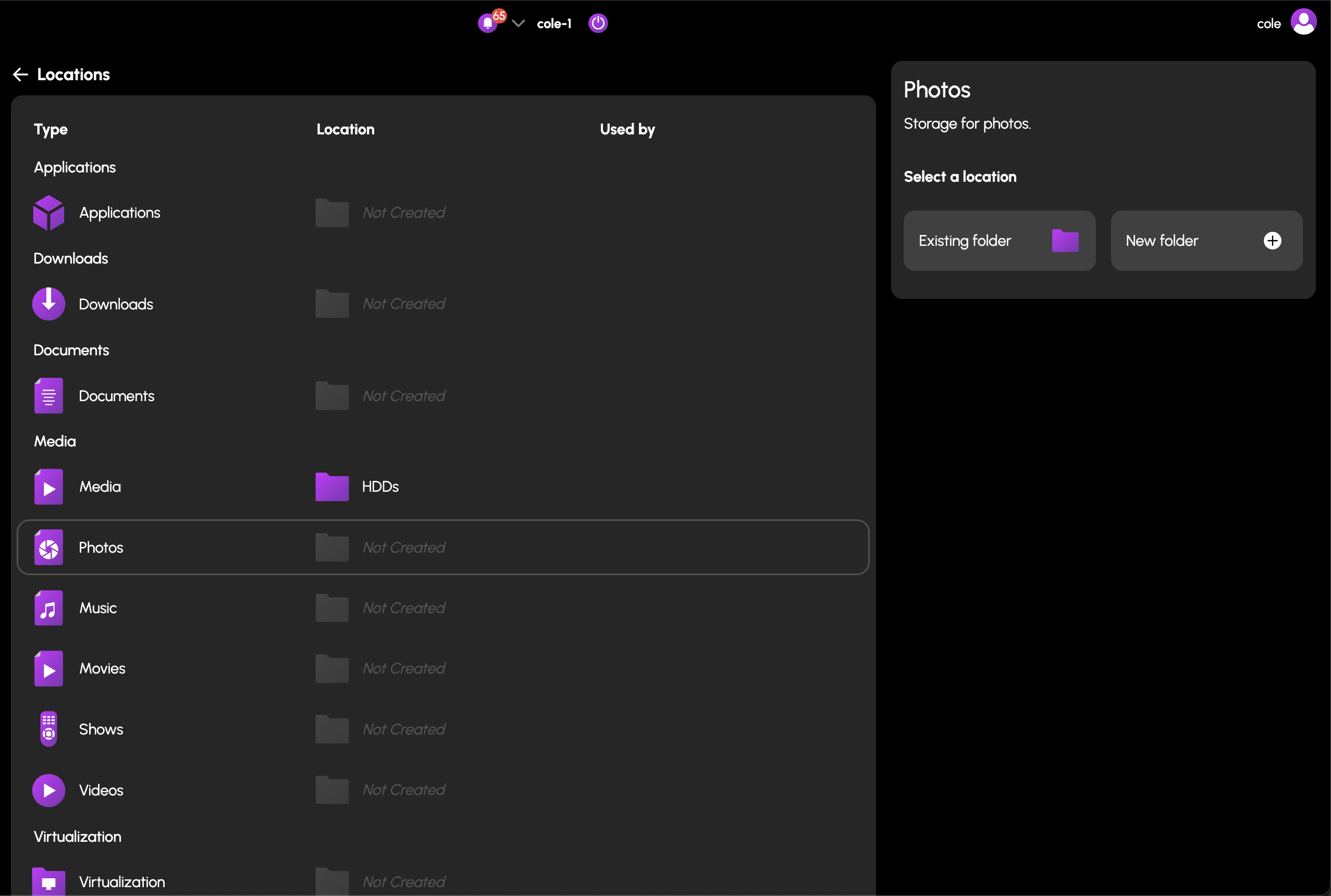
Previously, there was no way to alter app locations and other storage preferences. Now users can customize default locations for applications, giving more freedom in how the system functions.
Custom app location preferences
¶ User Settings & Preferences Sync
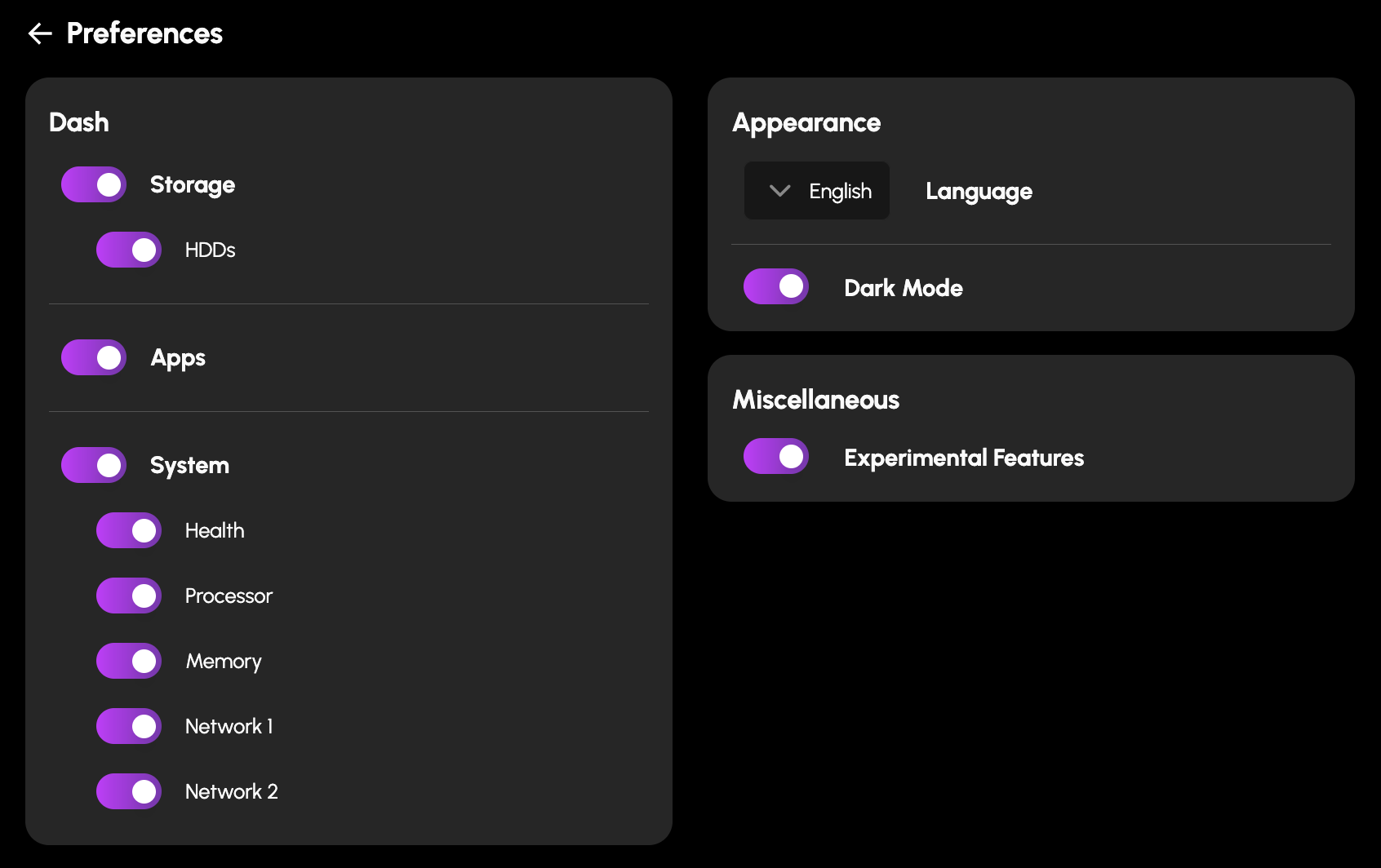
As we look toward expanding customization, we laid the groundwork for user settings. There is now a dedicated space for theme preferences, language selection, and the ability to toggle visibility on what appears on your dashboard.
User settings page
¶ UI and Stability Polish
We refined card layouts across the interface, added password field visibility toggling, increased the username character limit to 30, and shipped numerous behind-the-scenes stability fixes to round out the release.
¶ Command Deck Updates - July 2025
With these foundational features in place, July was focused on performance, observability, and stability improvements. (July 7th update, July 28th update)
We began by instrumenting the Command Deck with detailed request timing metrics. This gave us insight into performance bottlenecks and allowed us to make targeted optimizations.
You may have noticed things felt a bit snappier.
Building on those insights, we shipped networking fixes for users switching between DHCP and static IP modes, along with a queuing and caching layer for folder operations. This improvement was crucial for users with large folder counts, preventing API overload with TrueNAS while maintaining responsiveness. We also fixed a bug that caused folders to appear missing when a private folder user had been deleted.